Friday, 9 May 2025

Ensuring Safety First: Landmine Clearance at Vavetti Kulam Tank Site, Mullaitivu

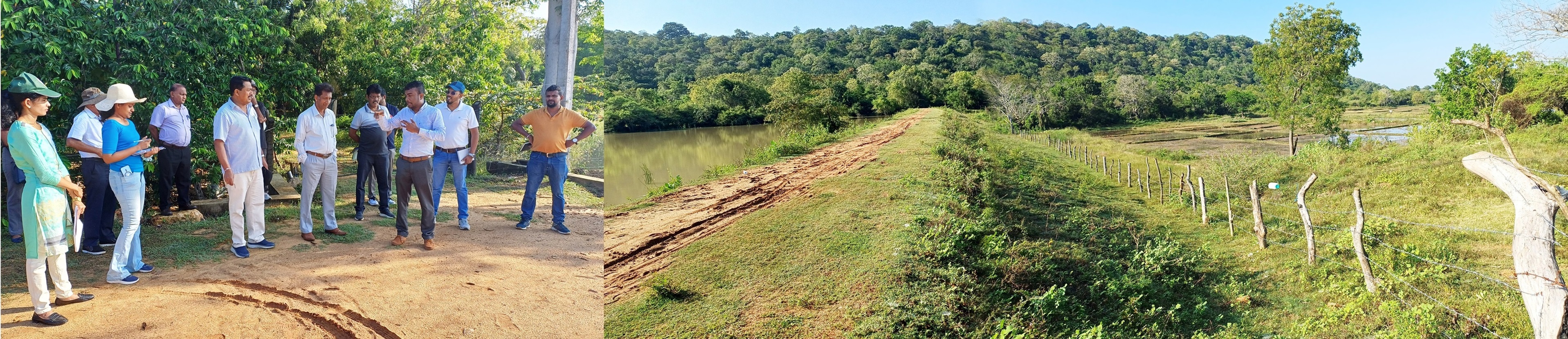
As part of the ongoing rehabilitation under the Climate Smart Irrigated Agriculture Project (CSIAP), an antipersonnel landmine was discovered at the Vavetti Kulam tank site in Mullaitivu District. Immediate safety protocols were enacted, and the site was promptly secured to prevent harm. The incident was reported without delay on 11 April 2025 to the Project Management Unit (PMU)’s Safeguard Team, the Project Director, and the World Bank’s Safeguard and Task Teams. In response, the World Bank Safeguard Team provided specific guidance to mitigate risks and ensure full compliance with safeguard standards. The following measures were implemented:

  • Pre-screening and Scanning: All high-risk sites, particularly those near forested or formerly conflict-affected areas, must undergo thorough pre-screening to detect potential hazards and prevent future delays.
  • Mine Clearance Certification: No rehabilitation activities may resume without an official clearance certificate from accredited mine action authorities. The Vavetti Kulam site has since received formal certification from The HALO Trust.
  • Safety Screening and Stakeholder Engagement: Hazard assessments and structured safety briefings are now mandatory to safeguard workers and surrounding communities.
  • Awareness Programs: Comprehensive sessions on landmine awareness and Occupational Health and Safety (OHS) protocols will be conducted for contractors and Social Audit Committee members at all CSIAP sites.

 Before recommencing rehabilitation activities, The HALO Trust completed a final clearance and completion survey at Vavetti Kulam. The resulting mine clearance report was submitted to the PMU and the World Bank for official record. As a final precaution, awareness and safety training will be held for all site workers and Social Audit Committee members, underscoring CSIAP’s commitment to ensuring safety and community involvement. This incident highlights the critical importance of conflict-sensitive planning and robust risk management in post-conflict development initiatives. The full documentation—including certificates, correspondence, and photographs—is available in the official project records.

Please click Identified Antipersonnel Landmines at the Vavetti Kulam Tank Site in Mullaitivu District  to read it, and click the Clearance Certificate to read it.

Written by Ms. Sharmila Shanmuganathan, Safeguard Division, PMU, CSIAP

Submission of Bi-Annual Safeguard Progress Report – Phase II (2025)

The Climate Smart Irrigated Agriculture Project (CSIAP) is pleased to announce the successful submission of its Bi-Annual Safeguard Progress Report for Phase II of the 2025 implementation year to the World Bank. This submission complies with the Environmental and Social Framework (ESF) requirements set forth by the Bank’s safeguard policies.

The comprehensive report outlines significant progress and updates on environmental and social safeguard compliance and monitoring across all project areas. It highlights our continued commitment to sustainable irrigation infrastructure development, livelihood protection, stakeholder engagement, biodiversity conservation, and robust grievance redress mechanisms.

The CSIAP extends its sincere gratitude to all stakeholders and partners whose collaboration has been instrumental in achieving this milestone

Highlights of the report include:

  • Environmental and Social screening of 179 irrigation schemes
  • Progress on tank rehabilitation and cascade management
  • Clearances from the Forest Department and the Department of Wildlife Conservation
  • Livelihood impact assessments and mitigation strategies
  • Active functioning of Social Audit Committees and Grievance Redress Mechanisms
  • Community participation and gender-inclusive development
  • Success stories include solar-powered electric fences for crop protection
  • Implementation of the Code of Conduct to prevent Gender-Based Violence
  • Environmental and Social Impact Management Plan (ESMP) Monitoring with the Photo evidence.

The report also documents lessons learned, good practices, and province-wise monitoring summaries across the CSIAP’s target areas. The full report is now accessible through our website under the "Publications" section. 

In addition to that, please click  The Bi-Annual Safeguard Progress Report on 20th March 2025  to read the report and click  Annexes of the above report to refer.

By Sharmila Shanmuganthan, Safeguard Division, PMU, CSIAP

Thursday, 8 May 2025

CSIAP Strengthens Field-Level Activities to Enhance Project Outcomes in the NWP

The Climate Smart Irrigated Agriculture Project (CSIAP) has intensified efforts to expedite its ongoing tank rehabilitation programme in the North Western Province (NWP). A special progress review meeting on tank rehabilitation work with contractors was held this morning (May 8) at Mahagethara Holiday Resort in Kurunegala, chaired by Mr. S.M. Saman Bandulasena, Project Director of the CSIAP. Mr. H.M.P. Bandara, Deputy Project Director for the NWP, warmly welcomed participants and outlined the meeting’s objectives, emphasizing the importance of collaboration, accountability, and adherence to timelines in achieving project milestones.

During the session, Mr. Bandulasena, Project Director of the CSIAP reiterated the urgency of completing all rehabilitation works within the stipulated timeframe. He stressed the pivotal role of contractors in ensuring the successful implementation of this crucial initiative, which aims to enhance climate resilience and agricultural productivity in the region. The meeting was organised and facilitated by Mr. Bandara and his dedicated provincial team, reflecting their continued commitment to the timely delivery of the project’s objectives. Senior officials from the Department of Agriculture Development in Kurunegala and Puttalam also attended the meeting, contributing their insights and support to the tank rehabilitation initiative.

Mr. R.M. Wijerathna, a 57-year-old farmer from Koskotagolla, Rambe, actively participated in on-site Climate-Smart Agriculture (CSA) training under the CSIAP project. In addition to this, he received further training at the CSA Farmer Training School in Thirappane. With support from the project, Mr. Wijerathna was provided with a solar pump and a micro-irrigation system to enhance his agricultural practices. before the interseason period, he received groundnut and green gram seeds, as well as insect-proof nets to support intercropping. He also cultivates Cavendish bananas with assistance from the project. His successful adoption of CSA practices caught the attention of Mr. Bandulasena, Project Director of the CSIAP, who visited his field during the NWP’s progress review to witness the farmer’s achievements firsthand.

Mr. S.G.I.P. Karunarathna, Agriculture Instructor in Rambe, played a pivotal role in the successful cultivation of Cavendish banana by providing timely and practical technical guidance, along with the confidence and encouragement required by farmer Mr. R.M. Wijerathna to adopt improved cultivation practices. His continuous field-level support helped the farmer overcome initial challenges and implement climate-smart and productive farming techniques effectively.

Mr. Karunarathna also had the opportunity to explain to Project Director Mr. Bandulasena the systematic approach he followed in supporting the farmer throughout the entire cultivation process, from land preparation to crop management. Recognizing the impact of this hands-on guidance, the Project Director highly appreciated the significant contribution made by Mr. Karunarathna in ensuring the success of the farmer’s banana cultivation through his dedication, technical expertise, and sustained support.

Mr. G.B. Chandana, a 51-year-old farmer from Moragoda, Rambe, has successfully cultivated tomatoes with the significant support of the CSIAP. He was provided with a micro irrigation system, poly mulch, tomato seeds, insect-proof netting, and GI pipes, which greatly enhanced his cultivation practices. Mr. Chandana also received practical training both onsite and at the CSA Farmer Training School in Thirappane, equipping him with valuable knowledge and skills in climate-smart agriculture. 

Mr. H.G.V.G. Nimal Karunarathna, a 61-year-old farmer from Moragoda, Rambe, received essential support from the CSIAP to successfully cultivate capsicum and chilli. The project provided him with a micro irrigation system, poly mulch, and insect-proof netting with GI pipes, along with capsicum and MICH1 chili seeds. To further enhance his skills, Mr. Karunarathna participated in on-site CSA training as well as formal training at the CSA Farmer Training School in ThirappaneThe farmer is exchanging views on his cultivation with Mr. S.G.I.P. Karunarathna, the Agriculture Instructor in Rambe, who consistently provides guidance and support.

Agriculture Instructor Mr. Karunarathnan conducts the Farmer Business School Training Programme on behalf of the CSIAP for members of the Other Field Crops Producer Society in Potthuwepitiya, Mahawewa. Mr. Karunarathna makes his utmost effort to develop the business and marketing skills of the CSIAP farmers, contributing significantly toward achieving the project's development objectives. In addition to his work on capacity building, he also provides invaluable technical guidance and support to help farmers in Rambe cultivate successfully. The CSIAP sincerely appreciates the dedicated service he continues to provide to uplift the farming community.

A special thanks to Ms. Imesha Dissanayake, Agriculture Facilitator in Rambe, for her dedication and tireless efforts toward the betterment of farmers. Her consistent presence at the ground level and strong rapport with the farming community have been instrumental in driving progress toward our project development objectives. We also extend our sincere appreciation for providing the necessary information and photographs that contributed to the writing of this article. 

By Samantha Mallawaarachchi, IEC & ICT Specialist, PMU, CSIAP 

Tuesday, 29 April 2025

The 14th NPSC meeting of the CSIAP commences at MALLI

The National Project Steering Committee (NPSC) meeting of the Climate Smart Irrigated Agriculture Project (CSIAP) commenced this morning (29th) at the Ministry of Agriculture, Livestock, Land, and Irrigation's premises under the patronage of Mr. D. P. Wickremasinghe, Secretary to the Ministry of Agriculture, Livestock, Land, and Irrigation. The NPSC provides strategic guidance, oversight, and coordination for the successful implementation of the CSIAP, ensuring alignment with national priorities, effective resource use, resolution of high-level issues, and achievement of the project’s development objectives.

More specifically, the CSIAP’s NPSC's mission includes

  • Reviewing project progress and performance.
  • Ensuring the project aligns with national agricultural and climate resilience goals.
  • Addressing major policy, financial, and administrative issues.
  • Approving annual work plans, budgets, and strategic directions.
  • Facilitating coordination among different agencies and stakeholders.
  • Ensuring risks are identified and mitigation strategies are in place.
  • Supporting the sustainability and scalability of project outcomes.

Top officials from the MALLI, the World Bank, the Implementing Agencies, and the Chief Secretaries of the respective provinces were also present at the meeting. The CSIAP team, led by Project Director Mr. S. M. Saman Bandulasena, also participated in the meeting, along with Deputy Project Directors, Subject Specialists, and Project Officers.


Photographs by Gayani Dassanayake, PMU-CSIAP

Friday, 25 April 2025

The CSIAP is proud to announce its readiness to promote agro-tourism in SP

The Climate Smart Irrigated Agriculture Project (CSIAP) is actively promoting an agro-tourism village in Siyambalagaswewa, located in Kawantissapura of the Southern Province, under the visionary guidance of the Project Director. This initiative aims to enhance rural livelihoods, showcase sustainable farming practices, and attract visitors to experience the rich agricultural heritage of the region. This initiative aligns with the current government's mandate to strengthen agro-tourism across the country. As a key development project, CSIAP is committed to supporting and advancing this national priority. Agro-tourism not only supports rural livelihoods but also fosters a deeper connection between people and the land.

Sri Lanka, currently grappling with a foreign exchange crisis, could greatly benefit from promoting agro-tourism as an  unique opportunity for the country to earn foreign currency by attracting international visitors seeking authentic rural experiences. By showcasing traditional farming practices, local cuisine, and cultural heritage, agro-tourism not only promotes sustainable agriculture but also boosts tourism revenue. Visitors from abroad are often willing to spend on farm stays, organic produce, guided tours, and handicrafts—directly injecting foreign currency into rural economies. This blend of agriculture and tourism helps diversify income sources for farmers, strengthens local economies, and contributes positively to a nation’s foreign exchange reserves.

Benefits of Agro-Tourism: Agro-tourism offers a unique blend of agriculture and tourism, providing a range of benefits for both rural communities and visitors. Key advantages include:

1.     Economic Development: It creates an additional source of income for farmers and boosts local economies by attracting tourists.

2.    Employment Opportunities: It generates jobs in rural areas, reducing migration to urban centres.

3.    Cultural Exchange: Visitors gain insight into rural lifestyles, traditions, and agricultural practices.

4.    Education and Awareness: Tourists, especially students, learn about sustainable farming, food production, and environmental conservation.

5.     Rural Revitalisation: Infrastructure and public services often improve as a result of increased tourism activity.

6.    Preservation of Agriculture: It encourages farmers to maintain traditional farming methods and conserve biodiversity.

A team comprising subject specialists and officers, accompanied by the Project Director from the PMU, visited the Kawantissapura area today (25th) as part of the initial steps toward establishing an agro-tourism village. This initiative aims to integrate sustainable agriculture with tourism, enhancing local livelihoods, promoting environmental stewardship, and showcasing the rich agricultural heritage of the region. The visit l included discussions with local farmers, site assessments, and planning sessions to identify opportunities for community involvement and long-term benefits.  Mr. Thisara Bandara, Gender/Social Safeguard Officer of the CSIAP in the Southern and Uva Provinces, briefed the PMU team on the concept of the Agro-Tourism Village. Mr. D. M. L. Bandaranayake, Deputy Project Director of the CSIAP in the Southern and Uva Provinces, along with his provincial officers were also present.

Thursday, 24 April 2025

The DPD Office in SP&UP is getting ready to accelerate key project activities in SP

Mr. S.M. Saman Bandulasena, Project Director of the Climate Smart Irrigated Agriculture Project (CSIAP) has taken proactive measures to expedite the implementation of project activities in the Southern Province. Recognising the importance of timely delivery, the Director has introduced a series of strategic initiatives to the staff of the Southern province at the Provincial Deputy Director’s Office in Thanamalwila this morning (24th),  aimed at enhancing coordination, streamlining processes, and ensuring efficient resource deployment. These efforts are expected to significantly improve progress on the ground, reinforcing our commitment to achieving project goals within the stipulated timeframe. 

Under the guidance of the Project Director, subject specialists and officers from the Project Management Unit (PMU) who arrived in the Southern Province have been assigned to provide direct support and coordination to help accelerate progress on key project activities. Their presence is intended to strengthen field-level implementation, address any bottlenecks, and ensure the timely delivery of project outcomes.After the discussion with provincial staff, the Project Director has headed out with subject specialists and officers from PMU  for a series of field visits to monitor and support ongoing progress on the ground. These visits are a vital part of ensuring that our implementation aligns with our goals and allows for direct engagement with the teams and communities involved.

As part of a recent field visit, the Project Director and team visited the Thambarawewa tank under the Babewa Cascade in Uddakandara, which was rehabilitated under the CSIAP initiative.The visit showcased the significant benefits of the rehabilitation efforts. Local farmers shared that they are now able to cultivate during the Yala, Maha, and inter-season periods without experiencing water scarcity.Farmers expressed their heartfelt gratitude to CSIAP for restoring the tank, which has greatly enhanced their agricultural productivity and overall livelihoods.

During the  field visit, the PMU team also visited the Rotawalawewa tank in Uddakandara, which has been successfully rehabilitated under the CSIAP initiative. Thanks to the rehabilitation, farmers in the area can now cultivate during all three agricultural seasons—Yala, Maha, and inter-season—without concerns over water availability. The farming community expressed their sincere gratitude to CSIAP for restoring the tank, which has brought renewed hope and stability to their livelihoods. Additionally, a 4.3 km-long elephant fence was erected by the project to protect 65 acres of cultivated land from wild elephants, further ensuring the safety and sustainability of farming in the area.

Karawdiganawewa tank in Uddakandara has been selected for rehabilitation under Phase II of the CSIAP initiative.The planned interventions include: Bund improvement Spill improvement, Desilting of the tank and Construction of water distribution channels. Once completed, the rehabilitated tank will cover approximately 15 acres of agricultural land and directly benefit 15 farming families in the area. This effort is part of the CSIAP’s  ongoing commitment to improving irrigation infrastructure and strengthening the resilience of rural farming communities. Marking the commencement of the rehabilitation work, the Project Director symbolically operated a backhoe on the tank bund, officially launching this vital phase of development.

As part of the CSIAP’s  ongoing efforts to enhance agricultural productivity, laser land levelling is scheduled to be carried out in Muwanwewa, Uddakandara, covering approximately 30 acres of paddy fields. This intervention is expected to improve water-use efficiency, reduce input costs, and support uniform crop growth — ultimately contributing to increased yields and sustainable farming practices for the local farming community.

A special coordination meeting was held at the Training Centre and Resort in Bogahapalassa, Kavanthissapura, bringing together contractors and implementing agencies involved in the ongoing construction work under the project. During the meeting, the Project Director stressed the urgency of completing the remaining activities and called on all contractors to expedite progress while strictly adhering to the agreed timelines. The discussion also focused on identifying key challenges currently hindering smooth implementation. Stakeholders worked collaboratively to explore practical solutions to these issues, with the shared goal of ensuring steady and efficient progress on the ground.

Stakeholders are encouraged to extend their full cooperation to support this momentum. These efforts are aimed at ensuring the timely delivery of key milestones and maximising impact on the ground. The CSIAP Staff in Southern has enhanced coordination with local stakeholders, optimised resource allocation, and introduced streamlined processes to improve efficiency. We are confident that these measures will contribute to faster progress and more effective outcomes.

The Climate Smart Irrigated Agriculture Project (CSIAP) has provided a solar-powered water pump to three farmers in Siyambalagaswewa, Kawantissapura, to aid in the cultivation of seven acres of farmland, including four acres of paddy fields. The beneficiaries of this initiative are Mr. G.M. Upali Wijerathna (50), Mr. S. Premala (51), and Mr. M.A. Gayan (39), who are now better equipped to manage irrigation sustainably and efficiently. Mr. Harsha Sandaruwan, the Agriculture Instructor in Thissamaharama, is offering technical guidance and support to ensure the successful cultivation and optimal use of the solar pump system.

Mr. Sudath Vidanagamage, a 51-year-old farmer from Amarawewa, received a solar-powered water pump to support the cultivation of various crops on his 7-acre farmland. With the help of this solar pump, he is now growing banana, mango, brinjal, papaya, lemon, manioc, okra, and luffa gourds more efficiently. The introduction of solar technology has significantly reduced his operational costs—saving him approximately Rs. 80,000 per month in electricity expenses. This sustainable solution not only supports Mr. Vidanagamage's livelihood but also promotes eco-friendly farming practices in the area.

The field visits were organised and facilitated by Mr. D.M.L. Bandaranayake, Deputy Project Director of the CSIAP in Southern and Uva Provinces, with the support of his provincial staff.

By Samantha Mallawaarachchi, IEC & ICT Specialist, PMU, CSIAP

Thursday, 10 April 2025

The World Bank Expects CSIAP to Achieve Strong Finish by December 2025

A high-level meeting was held today (10th) at the World Bank Office in Colombo to review progress and ensure the successful completion of the Climate Smart Irrigated Agriculture Project (CSIAP) by December 2025. The meeting brought together senior representatives from the World Bank, including Dr. Sheu Salau, Senior Agriculture Economist and Task Team Leader (TTL) for CSIAP; Ms. Thiruni Liyanage, Co-TTL and Water Resources Management Specialist; Dr. Athula Senaratne, Senior Agriculture Specialist; Ms. Anula Harasgama, Senior Financial Management Specialist; and Mr. Seenithamby Manoharan, Senior Consultant for Agriculture and Rural Development.

The discussion was joined by the CSIAP team, led by Project Director Mr. Saman Bandulasena, along with specialists and officers from the Project Management Unit. The session provided an opportunity to reflect on the project’s key achievements, review challenges encountered during implementation, and identify strategic actions required in the remaining period. Emphasis was placed on sustaining the project’s outcomes, ensuring financial and operational readiness, and consolidating the collective efforts that have driven CSIAP toward a successful and impactful conclusion.